

Operating Theatre Air Quality Monitoring and Actionable Warnings
See changing conditions. Respond with confidence.
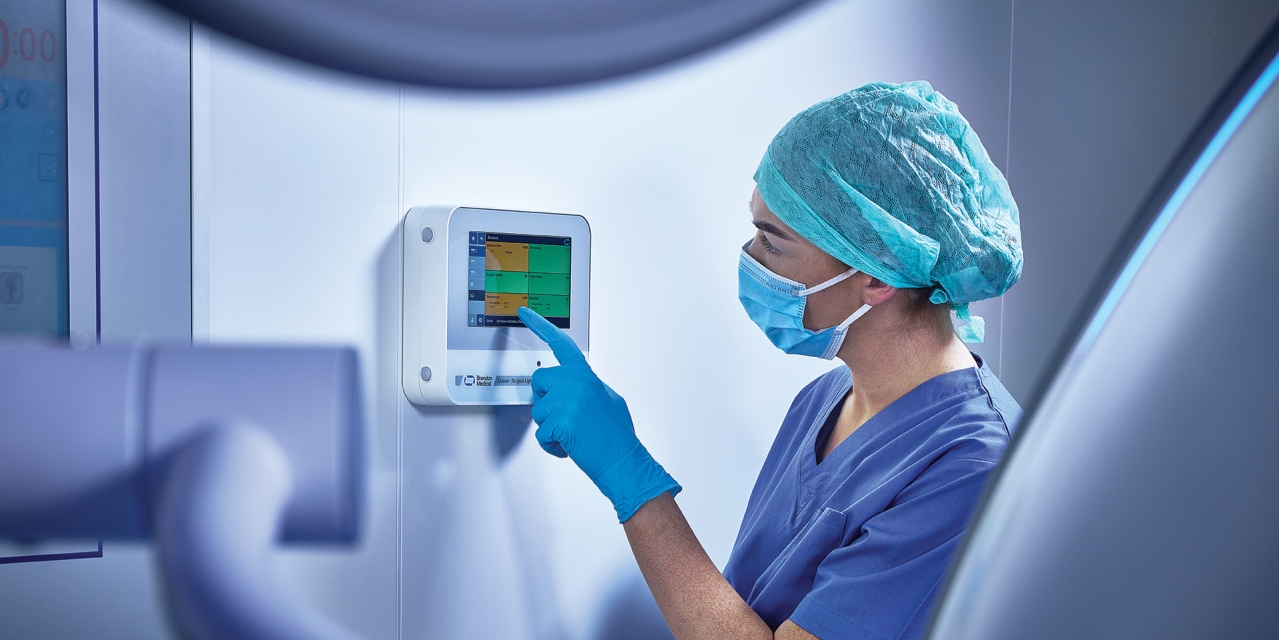
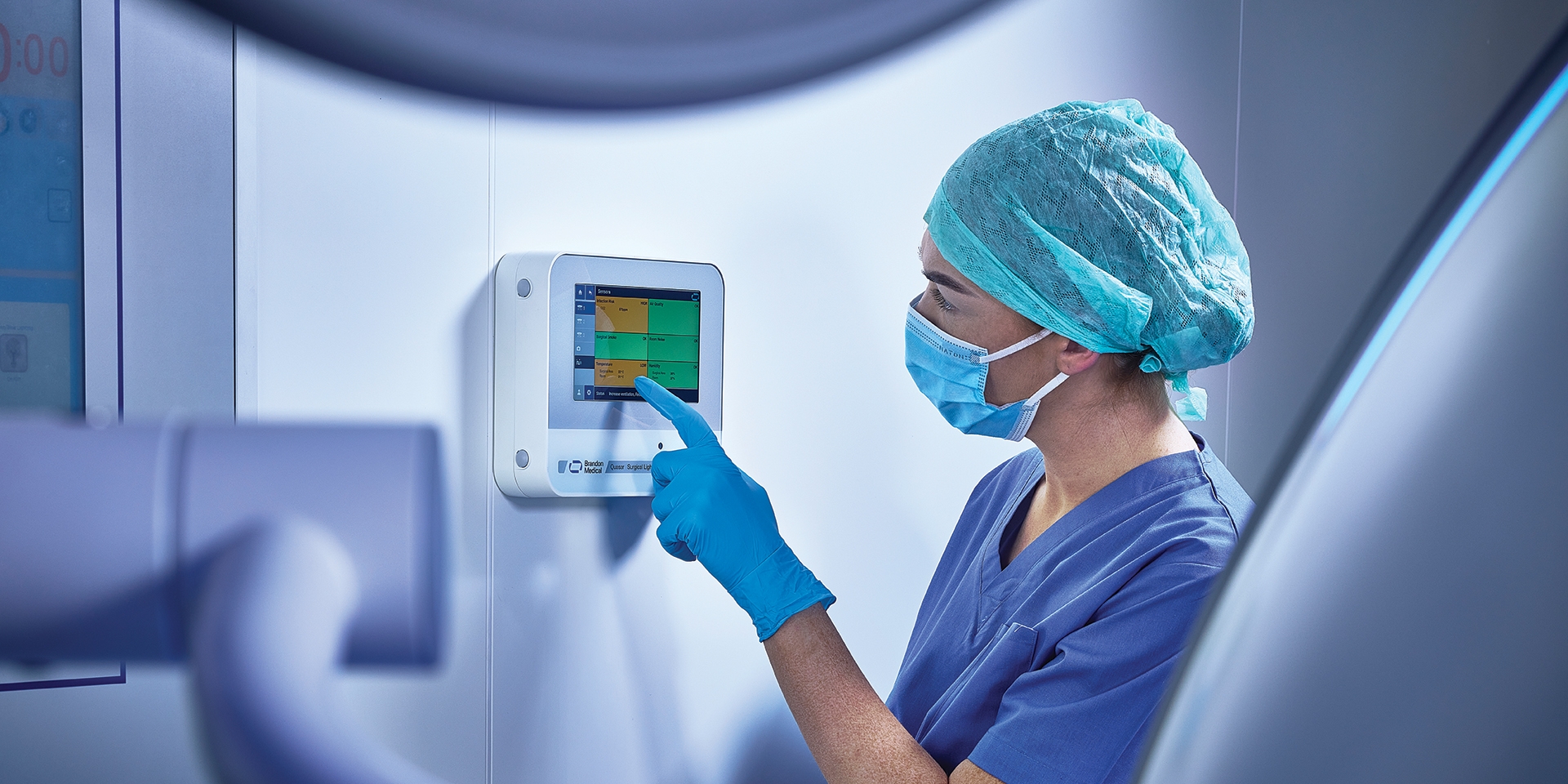
Operating-theatre air quality is shaped by ventilation, occupancy, particulates, surgical smoke and a range of chemical sources. Many of these changes are invisible. Qi60 iSense brings selected indicators into a single environmental view close to the surgical field.

What Qi60 monitors
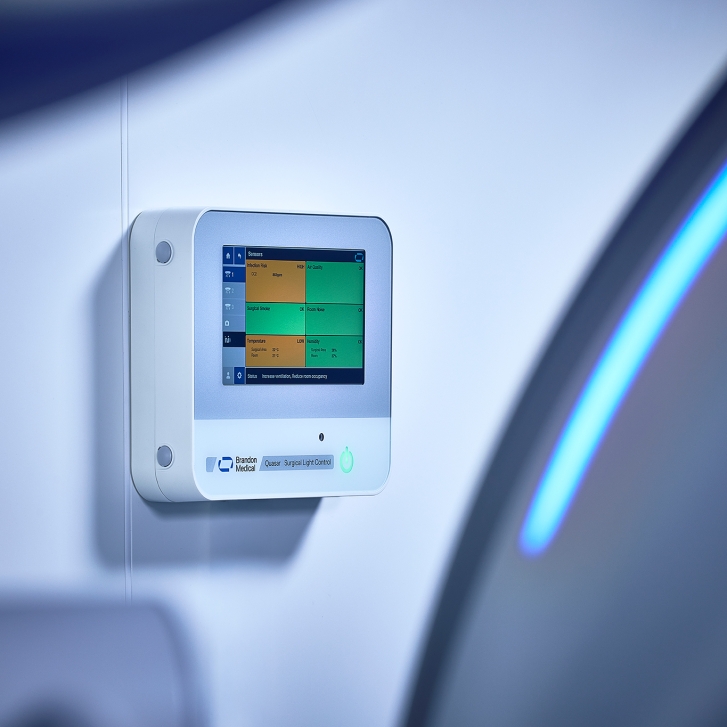
The Qi60 environmental suite monitors particulate levels, VOCs and NOx as part of its air-quality assessment, alongside CO2, temperature and humidity. The purpose is not to diagnose a cause from a single reading, but to give the team timely visibility of environmental changes that may warrant investigation or action.
Actionable rather than passive data
Environmental monitoring becomes useful when it can trigger an appropriate response. Depending on local protocol, a change in readings may prompt the team to review ventilation, investigate insufflation or occupancy, activate local smoke extraction or adjust environmental settings.
The display is designed to simplify awareness rather than create another complex monitoring task.
Supporting automated control loops
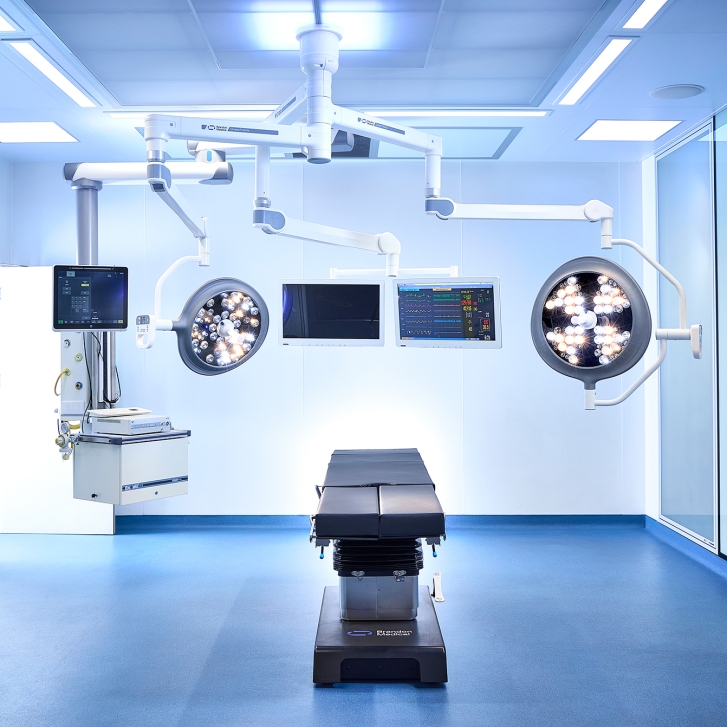
When Qi60 iSense is integrated with iTCP, UCV and HVAC/BMS systems, real-time sensor information can be routed into the wider theatre-control environment. This can inform adjustments to ventilation and airflow and can support automated control loops where the hospital has configured the relevant control strategy.
Automation should therefore be described as a system-level capability enabled by integration – not as an autonomous action performed by the light itself.

A data point close to the patient
Because the surgical light is positioned above the operative field, it provides a different monitoring location from a fixed wall sensor. This can complement room-level data and help teams understand conditions closer to the surgical zone.
Quasar Qi Features
Designed to do more than provide lux. Quasar Qi adds useful sensing, status information, workflow controls and integration-ready data.







Qi60 iSense monitors particulates, VOCs and NOx as air-quality indicators, alongside CO2, temperature, humidity and surgical-smoke-related particulate information.
No. It provides environmental measurements and status information. The data supports assessment and investigation by clinical and estates teams.
The light itself does not act as a standalone ventilation controller. When integrated with iTCP, UCV and HVAC/BMS systems, its data can support automated control loops configured by the hospital.
CO2 can provide useful information about occupancy and ventilation conditions. It should be interpreted in context, particularly because CO2 may also be used clinically during laparoscopic procedures.
The current technical data specifies the full environmental sensing suite on Qi60 iSense.